
Climbing Walls & Boulders
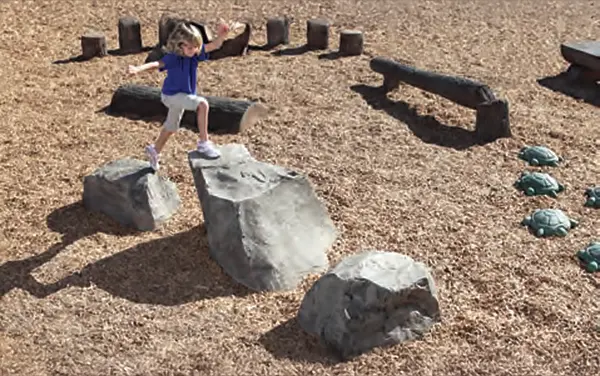
Traverse Wall and Boulder Play
Climbing Walls & Boulders on Playgrounds
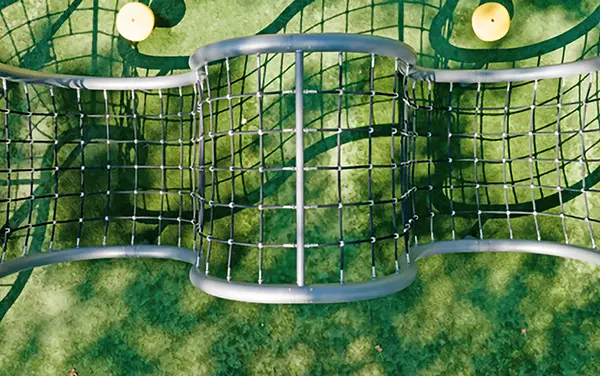
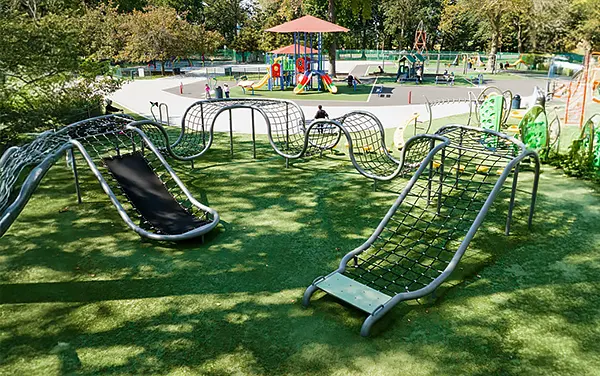
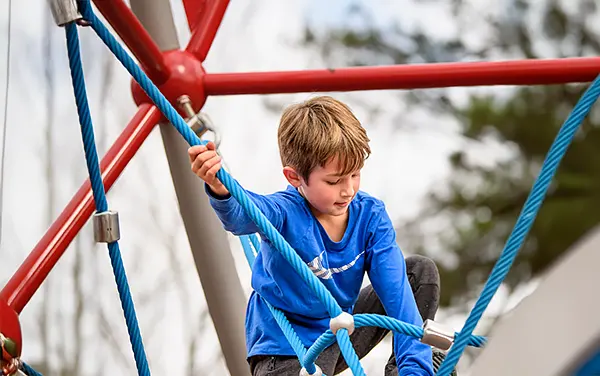
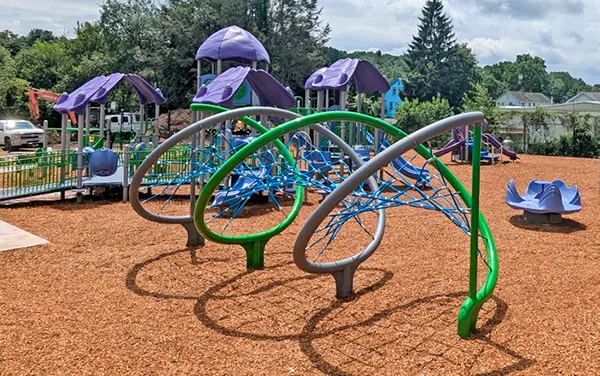
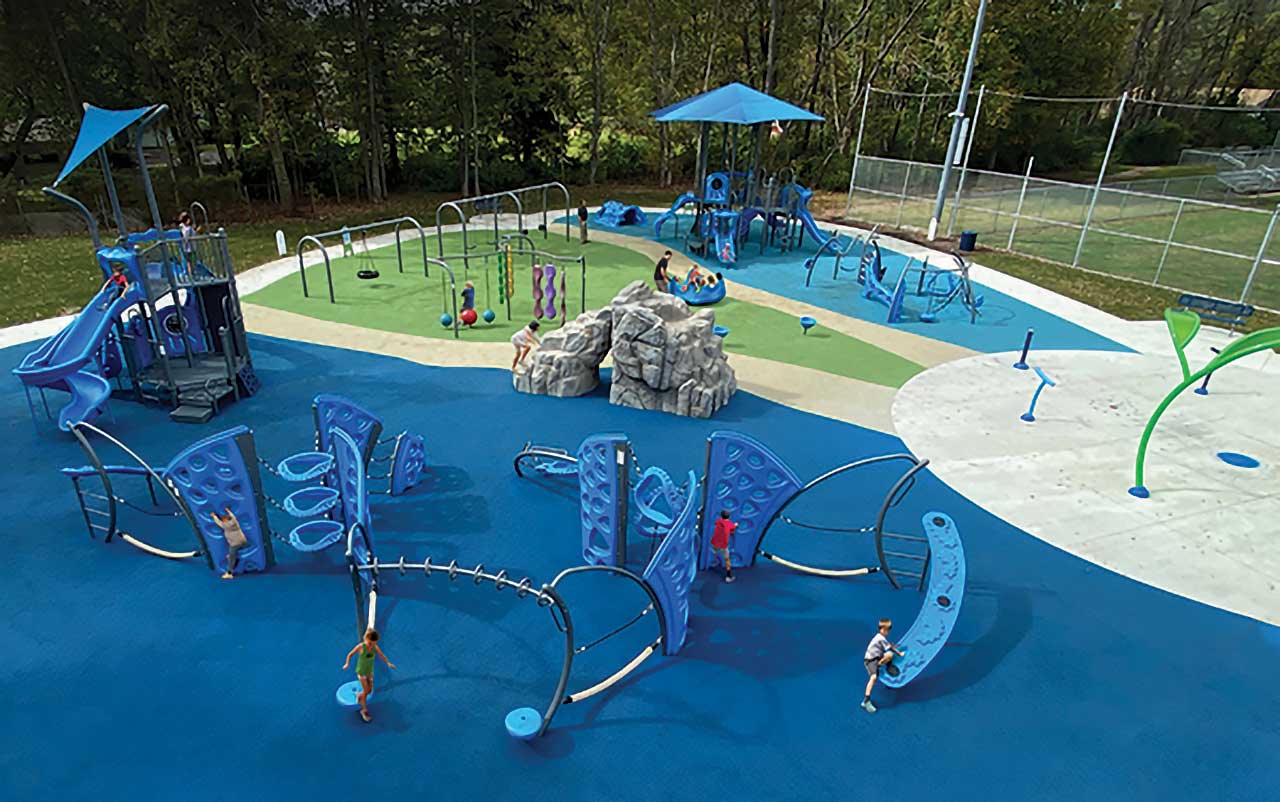
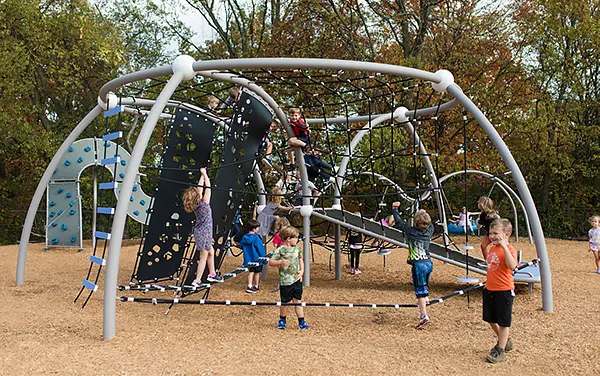
Climbing walls and boulders add challenge without needing tall structures. Traverse walls and molded panels create side-to-side movement, while stand-alone boulders and natural rock features support balance, grip work, and route choice in a compact footprint.
This hub focuses on practical planning notes for walls and boulders, including how height affects comfort and supervision, how to keep approach areas clear, and how to reduce wear paths around popular entries and exits. The goal is a climbing zone that stays engaging and predictable for everyday use.

Ref No. 01
Ref No. 02
Ref No. 03
Ref No. 04

Ref No. 05

Ref No. 06

Ref No. 07
Ref No. 08

Ref No. 09
Ref No. 10

Ref No. 11

Ref No. 12

Ref No. 13

Ref No. 14
Ref No. 15

Ref No. 16

Ref No. 17

Ref No. 18

Ref No. 19
Ref No. 20
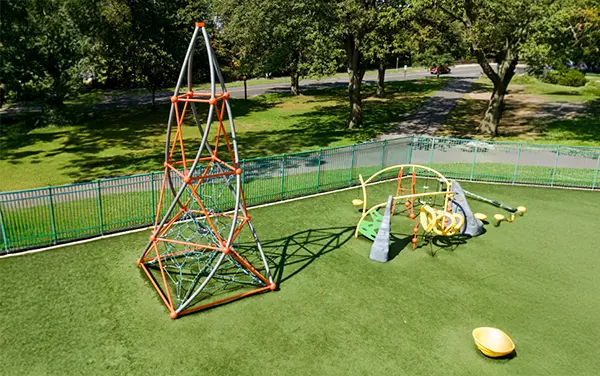
Ref No. 21
Height and spotting guidance: Keep heights appropriate for the intended age range and supervision style. Place the primary circulation path outside the fall area, and avoid placing walls where a fall could land near borders, posts, or hard edges.
Common footprints: Walls can run as short straight runs or longer curved lines that encourage continuous movement. Boulder clusters work well when spaced so routes do not collide and there is room to step off and reset.
Wear-path tips: Expect the heaviest traffic at the most obvious start points. Reduce wear by keeping surfacing transitions flush, avoiding narrow pinch points, and giving a clear approach lane. If a wall has a single popular entry, add a second start point or a nearby alternative feature to distribute use.
Simple checklist:
- Clear landing area with suitable surfacing
- No posts, borders, or seating inside the fall zone
- Two or more route choices to reduce crowding
- Clean approach and exit flow around the feature
- Surfaces and edges set flush to reduce trip points
- Sightlines maintained from nearby seating
Bliss Products and Services supports climbing wall and boulder planning for schools, parks, and community spaces. These examples help teams compare wall and boulder styles, confirm layout requirements, and package drawings, quantities, and specifications in a format that supports review, budgeting, and purchasing.