
Shade & Site Comfort
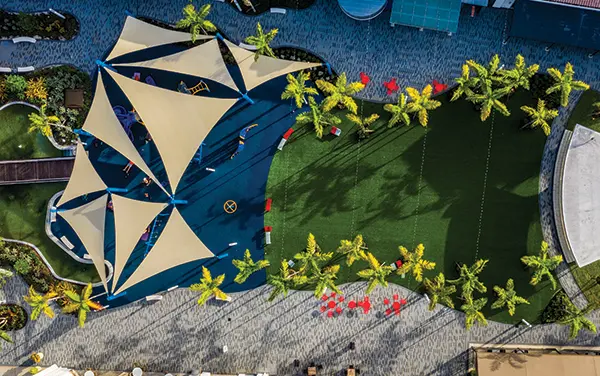
Shade, Shelters, and Comfortable Gathering Areas
Shade and comfort features help outdoor spaces stay usable for longer parts of the day and across more seasons. Hip shade, sail shade, umbrellas, shelters, and pavilions can be planned as a single comfort system that supports play, seating, queuing, and supervision without cluttering the site.
This hub keeps the planning practical and light, with simple span examples, typical height ranges, and a few high-level notes for wind and coastal conditions. The goal is a shade plan that fits the layout, keeps circulation clear, and stays straightforward in the plan.

Ref No. 01
Ref No. 02
Ref No. 03

Ref No. 04

Ref No. 05

Ref No. 06

Ref No. 07

Ref No. 08

Ref No. 09
Ref No. 10

Ref No. 11

Ref No. 12

Ref No. 13

Ref No. 14
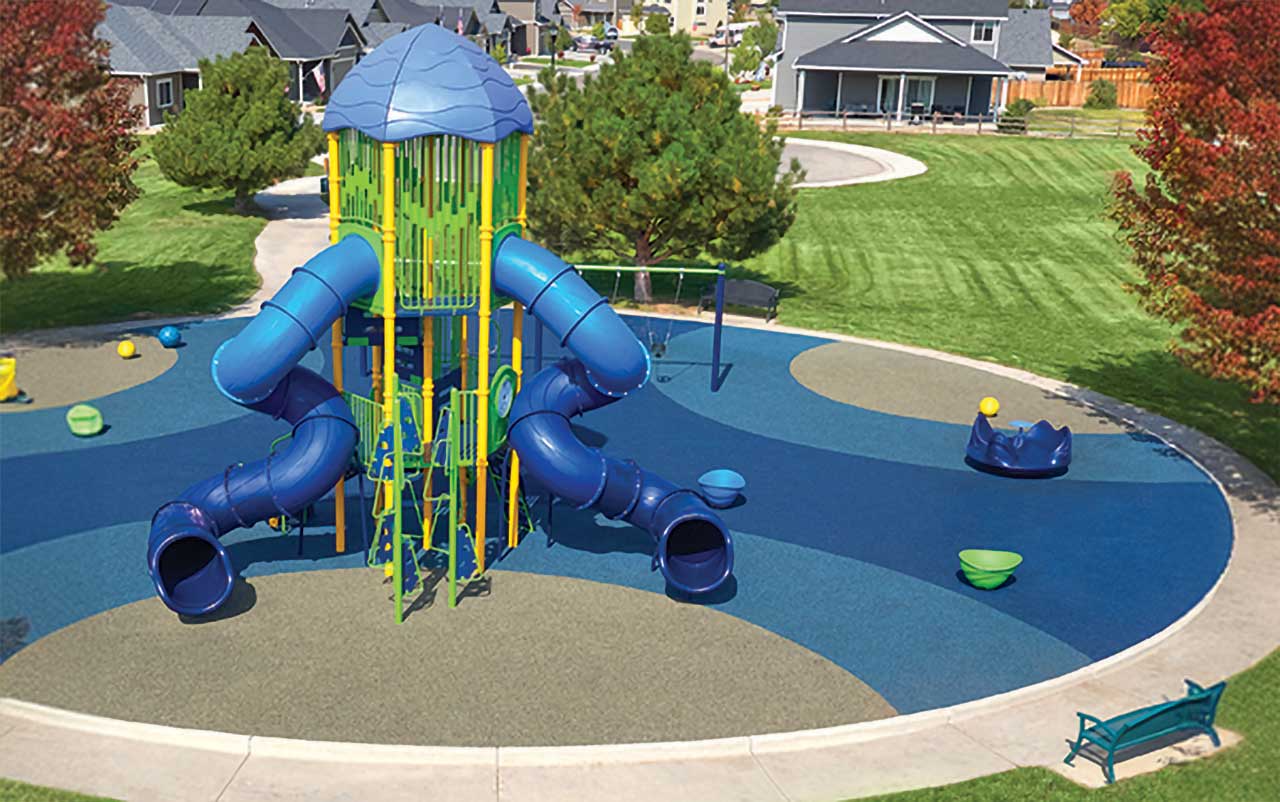
Ref No. 15

Ref No. 16

Ref No. 17

Ref No. 18

Ref No. 19
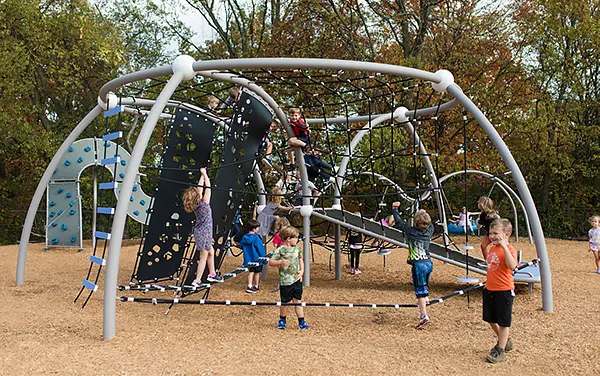
Ref No. 20
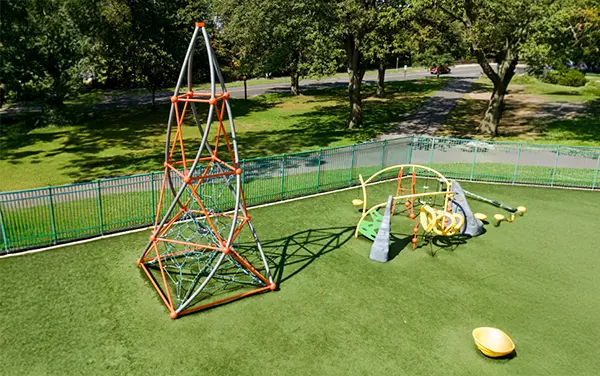
Ref No. 21
Span examples: Use umbrellas for small, flexible coverage and tight footprints. Use hip shade and small shelters for targeted zones like play decks, seating clusters, or queues. Use larger shelters and pavilions for picnic areas and multi-purpose gathering zones where you want predictable coverage.
Typical heights: Plan comfortable headroom under the shade edge, keep posts outside high-traffic pinch points, and confirm that any canopy edges do not interfere with equipment clearance areas, maintenance access, or sightlines from nearby seating.
Wind and coastal notes: Keep these considerations light and early-stage. Coastal and high-wind sites may need heavier anchoring approaches and hardware selections, so flag exposure conditions early and confirm the final solution with the manufacturer and the project team.
Placement and circulation: Avoid placing posts where people naturally cut through the site, and keep shade coverage aligned with seating orientation and supervision views. When multiple shades are used, plan them as a family so edges line up cleanly and the layout reads intentional.
Simple checklist:
- Shade placed at entries, seating, and supervision zones
- Posts located outside fall zones and main circulation paths
- Clear walking routes maintained under and around shade
- Heights and canopy edges confirmed for comfort and clearance
- Exposure conditions noted for wind and coastal sites
- Footing locations coordinated early with underground utilities