
Playground and Park Communities Served in Central and Eastern South Carolina
Playgrounds, Shade Structures, Safety Surfacing, and Site Amenities for Columbia, Florence, Sumter, and Myrtle Beach
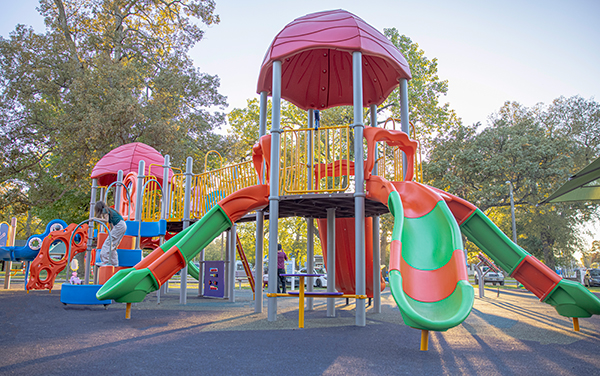
Carter Park
Award Winning Playground from PPS
I work with schools, municipalities, and parks departments across the Midlands, Pee Dee, and Grand Strand regions of Central and Eastern South Carolina. In particular, I support Central and Eastern South Carolina communities with coordinated planning for playgrounds, shade structures, safety surfacing, and site amenities. Projects are planned around local soil conditions, coastal exposure where applicable, drainage considerations, and long-term maintenance needs specific to each community.
From Columbia to Myrtle Beach and surrounding counties, outdoor spaces must perform in heat, humidity, coastal air, and heavy seasonal rain. Because of this, equipment selections, surfacing systems, shade structures, and site amenities are matched carefully to regional conditions so communities receive durable, long-term solutions.
This page highlights the counties and Central and Eastern South Carolina communities I support across the Midlands, Pee Dee, and Grand Strand. If you already have a site location in mind, I can help confirm which product categories fit local conditions and typical maintenance expectations. As a result, planning decisions are clearer and easier to move forward.
Use the buttons to call or email, or scroll to view project ideas and examples.
Counties and Communities Served in Central and Eastern South Carolina
Communities across the Midlands, the Pee Dee, and the Grand Strand need outdoor spaces that stay dependable throughout the year. After Use zones and footing depths are confirmed, coatings and mount types are then selected so play, shade, surfacing, shelters, seating, and sports pieces align with local building codes and long-term upkeep needs. The result is a concise, review-ready project package that is easy to evaluate and decide upon.
Supported Counties Across Central & Eastern - South Carolina

Richland County, SC
Playground equipment, shade canopies, steel pavilions, ADA surfacing
Columbia, Forest Acres, Blythewood, Arcadia Lakes. Playground equipment and shade structures for schools and parks.

Lexington County, SC
Play structures, shade solutions, steel shelters, safety surfacing
Lexington, West Columbia, Cayce, Chapin. Playground design, shade canopies, and compliant surfacing for school playgrounds and municipal parks.

Horry County, SC
Coastal-grade play systems, shelters, shade sails, safe surfacing
Myrtle Beach, North Myrtle Beach, Conway, Surfside Beach. Coastal playground equipment, steel shelters, and poured rubber for beach and city parks.

York County, SC
Play design, shade, bleachers, safety surfacing
Rock Hill, Fort Mill, Tega Cay, Clover. Athletic bleachers, playground equipment, and safety surfacing for schools and recreation complexes.

Abbeville County, SC
Shade canopies, outdoor fitness, ADA surfacing
Abbeville, Due West, Calhoun Falls. Shade structures, fitness stations, and accessible surfacing for campuses and parks.

Aiken County, SC
Playground equipment, outdoor fitness stations, park pavilions
Aiken, North Augusta, Wagener. Modular play, pavilions, and fitness equipment for schools and community parks.
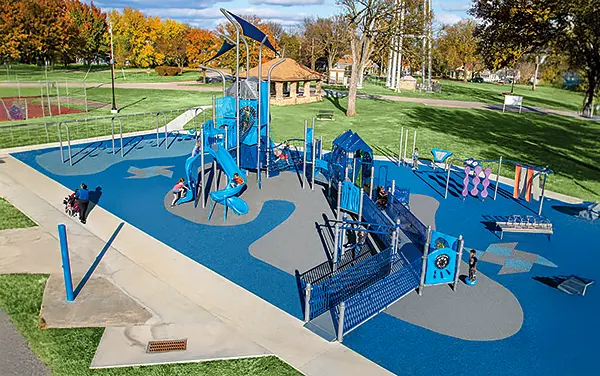
Calhoun County, SC
Modular play, steel pavilions, safety surfacing
St. Matthews, Cameron, Sandy Run. Playground structures, pavilion shelters, and poured rubber surfacing for public spaces.
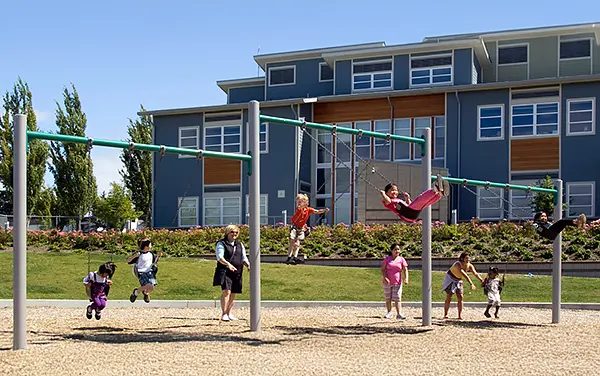
Clarendon County, SC
Play structures, swings, shade, surfacing
Manning, Summerton, Turbeville. Playground equipment, swing bays, and shade solutions for municipal parks and school sites.

Darlington County, SC
Dog park amenities, basketball courts, site furnishings
Darlington, Hartsville, Lamar. Dog park equipment, court systems, benches, and tables for parks and trails.

Dillon County, SC
Modular play, shade sails, poured-in-place rubber
Dillon, Latta, Lake View. Playground equipment, shade sails, and safety surfacing for school campuses and city parks..
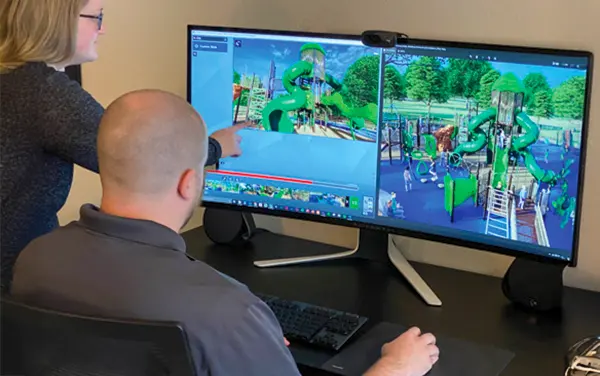
Edgefield County, SC
Play design, pavilions, outdoor fitness
Edgefield, Johnston, Trenton. Layout planning, steel pavilions, and fitness stations for parks and greenways.

Florence County, SC
Playground equipment, shade structures, surfacing
Florence, Lake City, Timmonsville. Playground equipment, shade canopies, and compliant surfacing for schools and neighborhoods.

Georgetown County, SC
Coastal playground equipment, pavilions, dog park amenities
Georgetown, Pawleys Island, Murrells Inlet, Andrews. Coastal-ready play, pavilion shelters, and dog park stations for waterfront and inland parks.

Greenwood County, SC
Playground upgrades, bleachers, shade canopies
Greenwood, Ninety Six, Ware Shoals. Play upgrades, spectator seating, and shade systems for athletics and recreation.

Kershaw County, SC
Play structures, shade canopies, pickleball courts
Camden, Lugoff, Elgin. Playground equipment, shade, and court installations for community parks and HOA amenities.
Lancaster County, SC
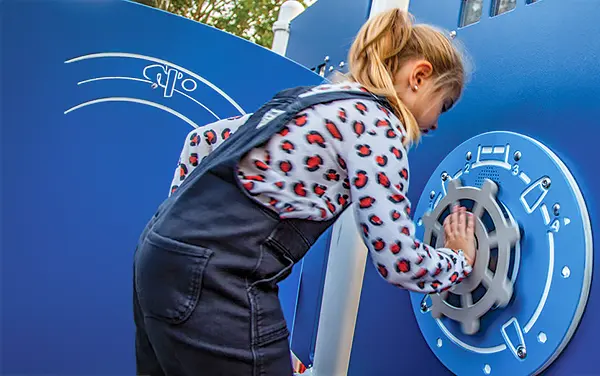
Inclusive play, shade solutions, safety surfacing
Lancaster, Indian Land, Kershaw. Inclusive playground components, shade structures, and ADA surfacing for schools and neighborhoods.

Lee County, SC
Playgrounds, shade, restroom buildings
Bishopville, Ashwood, Lynchburg. Playground equipment, shade canopies, and preengineered restrooms for park systems.

Marion County, SC
Play systems, shade, site furnishings
Marion, Mullins, Sellers. Modular play, canopy shade, benches, and tables for municipal parks.

Marlboro County, SC
Shade, slides, basketball courts
Bennettsville, McColl, Clio. Shade structures, slide play, and court equipment for schools and community centers.

McCormick County, SC
Inclusive play, shade canopies, outdoor fitness
McCormick, Plum Branch, Parksville. Inclusive play events, shade systems, and fitness stations for parks and campuses.

Orangeburg County, SC
Playground equipment, pavilions, restrooms
Orangeburg, Santee, Holly Hill. Play structures, steel pavilions, and restroom buildings for multi-site park programs.

Saluda County, SC
Play structures, shade sails, benches
Saluda, Ridge Spring, Monetta. Playground equipment, tensile shade, and seating for pocket parks and school yards.

Sumter County, SC
Outdoor fitness, shade, surfacing
Sumter, Dalzell, Pinewood. Fitness stations, canopy shade, and compliant surfacing for campuses and sports complexes.

Williamsburg County, SC
Dog park equipment, play structures, bleachers
Kingstree, Hemingway, Andrews. Dog park stations, modular play, and spectator seating for recreation departments.

Gordon Hamilton – South Carolina (Central & Eastern) Territory Representative
📍 Serving the Counties, Cities, Towns & Communites across Louisiana
Abbeville County, Aiken County, Calhoun County, Clarendon County, Darlington County, Dillon County, Edgefield County, Florence County, Georgetown County, Greenwood County, Horry County, Kershaw County, Lancaster County, Lee County, Lexington County, Marion County, Marlboro County, McCormick County, Orangeburg County, Richland County, Saluda County, Sumter County, Williamsburg County, York County

Playground and bleacher installs

Outdoor fitness and basketball courts
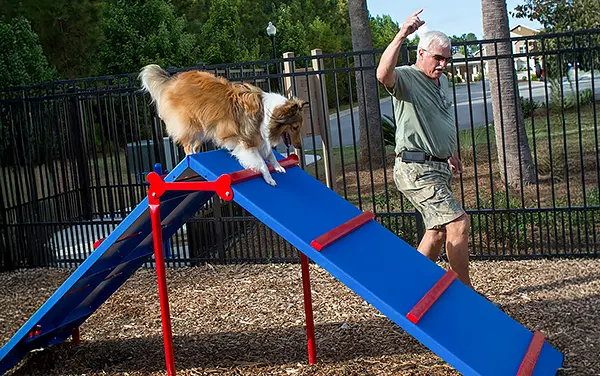
Dog park and courses
See an example that fits your space. Share a pin and a brief, and a practical layout can be marked up so your team can approve product and build decisions quickly.
Funding and Grant Support for Central and Eastern South Carolina Playground Projects
Many projects start with a funding question, so it helps to confirm the purchasing path early and build a reviewer-ready product package. Across Central and Eastern South Carolina, that usually means confirming codes and materials, noting upkeep expectations, and organizing specifications and budget ranges so the scope is easy to evaluate.
One common example is the Parks and Recreation Development (PARD) Fund, a reimbursable matching program administered by the South Carolina Department of Parks, Recreation and Tourism (SCPRT). Funding is allocated at the county level and applications are submitted through SCPRT’s WebGrants portal on a monthly cycle, with eligibility typically focused on development, renovation, and planning rather than routine maintenance. Current requirements and deadlines should be confirmed in WebGrants.
Accessibility & Compliance
Reviewers often ask about accessible routes and inclusive design. Equipment, surfacing, and layouts can be documented with ADA, ASTM, and CPSC references so submittals show clear access, transfer points, and defined use zones. Final compliance determinations remain with the owner and design team.
Durability & Life-Cycle Value
Funders want long-term results and fewer surprises after opening day. Surfacing, shade, and site furnishings can be selected with appropriate coatings, hardware, and mounting details to perform in heat, humidity, heavy rain, and coastal exposure. This helps support life-cycle value, warranty expectations, and straightforward maintenance.
Community Impact
Programs look for broad, everyday use. Pavilions, fitness stations, walking loops, seating, and bleachers extend activity beyond the playground and support community events, recreation, and school use. A balanced scope helps demonstrate value for more than one age group and use case.
Share the site location and any funding deadline or bid date. If PARD or another reimbursable program is in place, the product package can be organized around eligible line items and matching requirements. In that case, reviewer-friendly documentation will include layout views, cut sheets, quantities, budget ranges, and current lead times.
Meanwhile, application narratives and forms remain with your team, while the product scope stays clear, consistent, and ready for review.
Additionally, I can coordinate product details and timelines to keep your project organized from start to finish. As a result, approvals move more smoothly and next steps are easier to manage.