
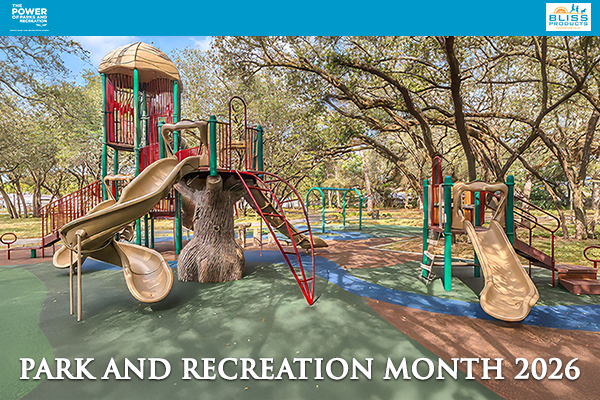
Each July, Park and Recreation Month recognizes the spaces, programs and people that help communities connect, play and thrive. Led by the National Recreation and Park Association, the 2026 celebration centers on the theme “The Power Of…” and the many ways parks and recreation strengthen everyday life.
The theme highlights the power of connection, play, community, nature, belonging and well-being. It also brings attention to the professionals, seasonal employees, volunteers and community partners who plan programs, maintain facilities and keep public spaces ready for use.
A park’s value comes from the way its spaces, programs and people work together. A playground may draw a family to the park, but recreation programs, welcoming gathering areas, accessible routes, comfortable seating, shade and attentive maintenance all shape the experience once they arrive.
The Power Of Play
Play gives children opportunities to move, imagine, build confidence and make friends. It can happen on a playground, across a ballfield, during a summer recreation program or through an informal game that begins when a few children meet at the park.
Local park and recreation agencies reach more than 40 million young people each year, and 92 percent offer youth sports programs. These agencies also provide much of the public infrastructure that makes everyday play possible. According to NRPA, 94 percent of park and recreation agencies provide playgrounds for their communities.
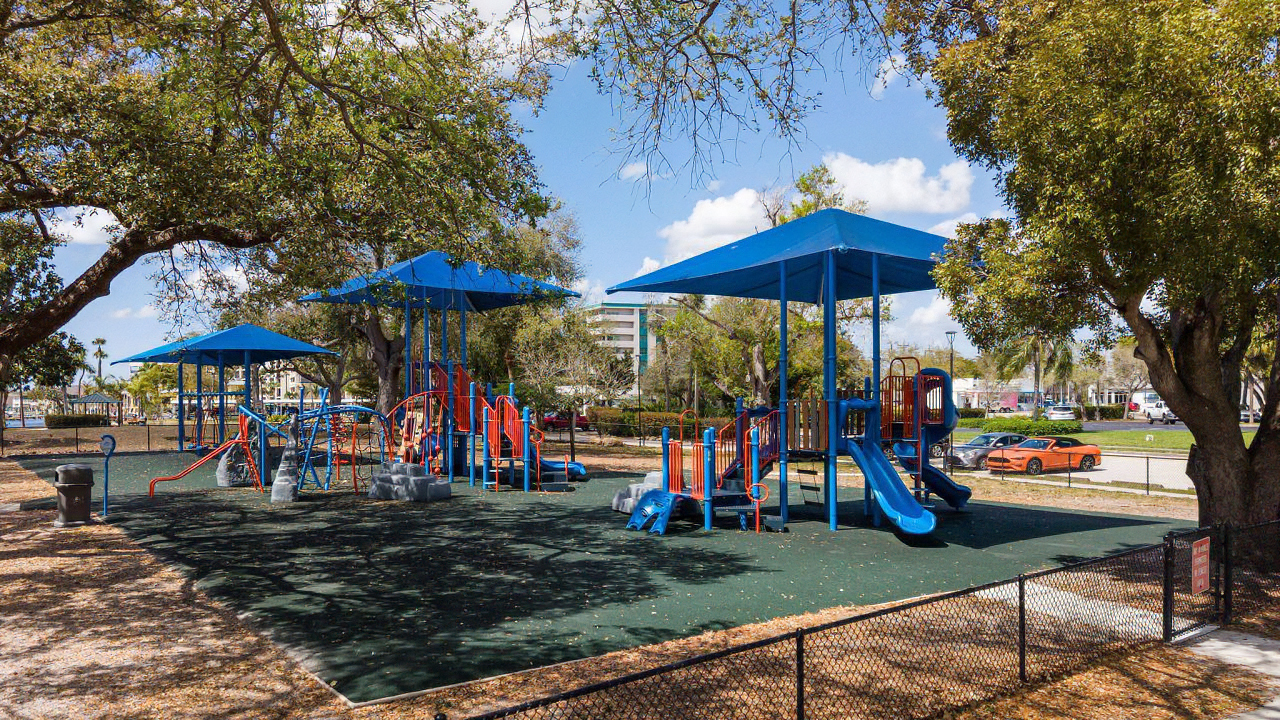
Play is not limited to childhood. Outdoor fitness areas, courts and athletic facilities, along with walking programs and recreation classes, give teenagers, adults and older residents ways to remain active and involved. Offering several forms of recreation allows people to participate according to their interests, abilities and stage of life.
The Power Of Connection and Community
Parks create places where community life can unfold naturally. Families gather beneath shelters, neighbors meet along walking paths, teams practice together and residents come together for festivals, markets, performances and seasonal events.
More than 227 million U.S. adults, or someone in their household, visited a local park or recreation facility at least once between August 2024 and September 2025. That level of use reflects the important place parks hold in daily life.
A well-planned public space can support both organized activities and ordinary moments. A shaded picnic table may host a birthday celebration one afternoon and give coworkers a place to eat lunch the next. Benches along a trail create opportunities to rest and talk, while pavilions, shelters and shaded gathering areas give recreation departments flexible settings for community programs.
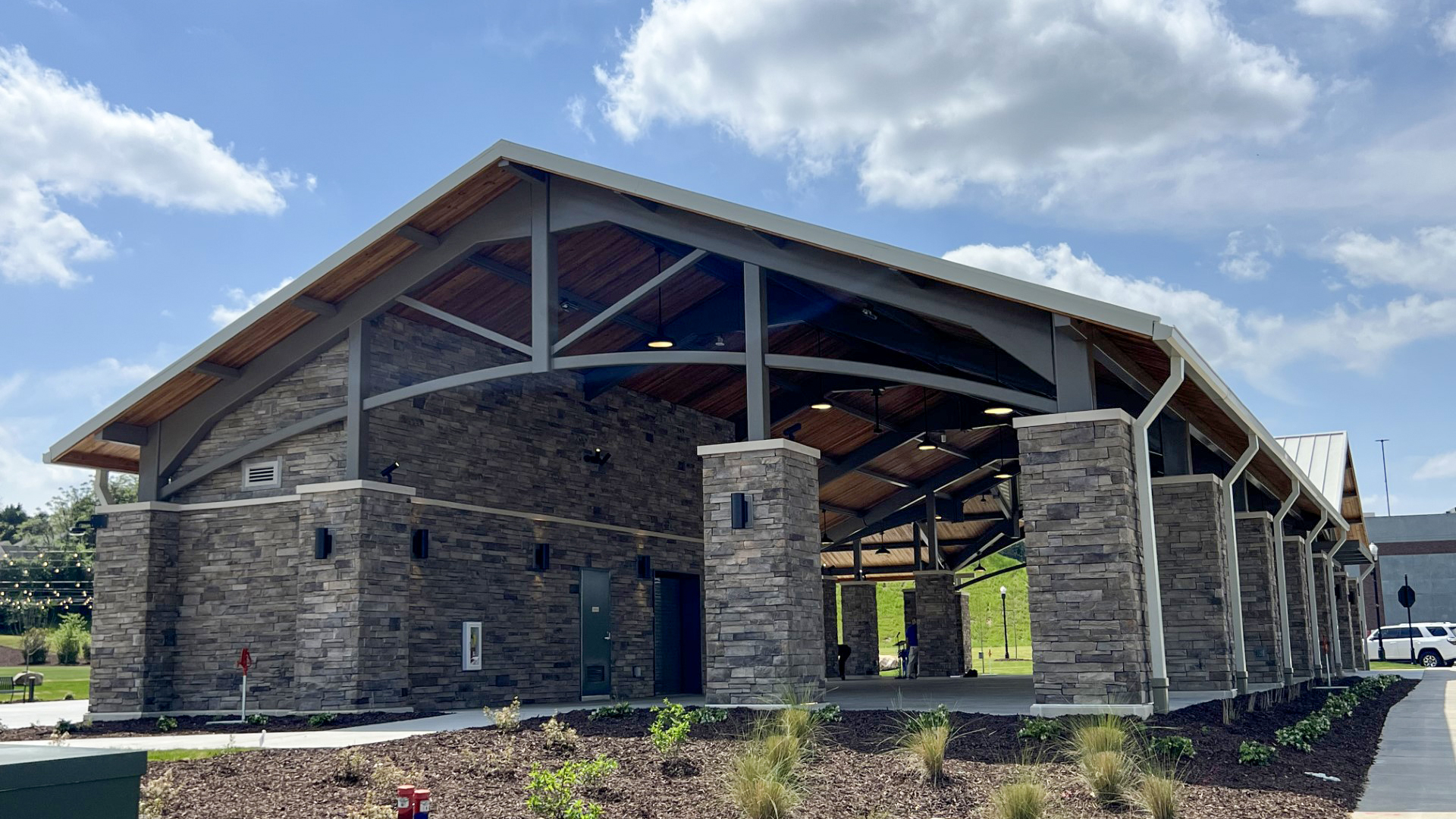
These experiences help people become familiar with their neighbors and feel more connected to where they live. Parks provide shared ground where different generations, cultures and interests can meet.
The Power Of Nature and Well-Being

Local parks are often the most accessible way for people to spend time in nature. Tree canopies, greenways, ponds, open lawns and shaded paths offer places to walk, exercise, rest or simply step away from a busy routine.
The design of a park can make those opportunities easier to use. Trails and outdoor fitness equipment encourage movement, while shade, drinking fountains, bottle-filling stations, seating and picnic areas help visitors remain comfortable during their time outdoors.
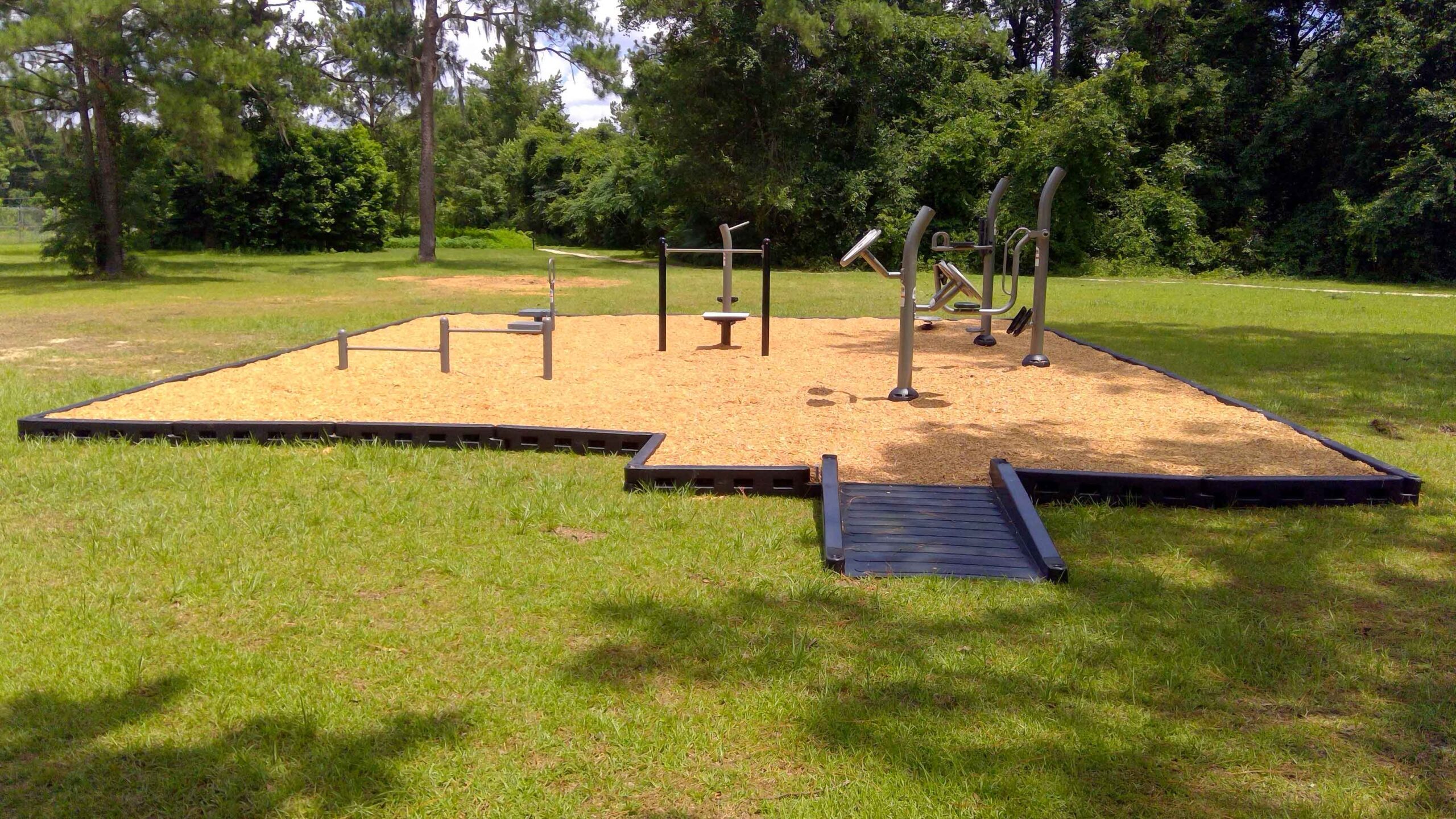
Parks also play a wider environmental role. Trees and planted areas can provide habitat, reduce heat and help manage stormwater. Recreation professionals increasingly consider these functions alongside programming, maintenance and public use when planning and improving park spaces.
The Power Of Belonging

A welcoming park gives people different ways to take part. Inclusive playgrounds, accessible routes, ground-level play activities and thoughtfully positioned amenities can help more children and caregivers participate together.
Belonging extends beyond playground design. Accessible tables, drinking fountains, restrooms, parking and routes influence how comfortably people can use the entire site. Programs for different ages, interests and abilities also help residents see the park as a place intended for them.
NRPA reports that 99 percent of survey respondents experience at least some sense of belonging in park and recreation spaces. That feeling develops through a combination of physical access, thoughtful programming, welcoming staff and opportunities for people to share experiences.
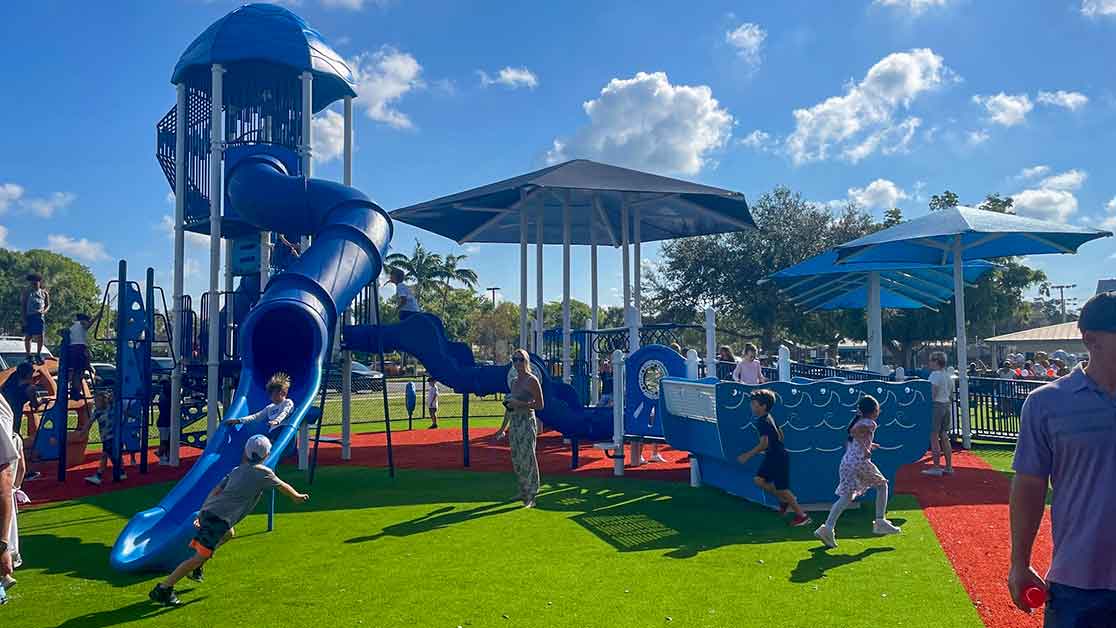
Equipment alone cannot create belonging. The strongest results come from listening to the community, considering how people will move through and use the space, and supporting the finished facility with programs and ongoing care.
The People Behind the Power
Public parks do not operate on their own. Recreation directors plan services and manage resources. Program coordinators organize camps, classes, leagues and community events. Maintenance employees inspect equipment, care for grounds, prepare athletic fields and keep public facilities clean and functional.
Public works departments, coaches, seasonal staff, volunteers, landscape architects, contractors and community organizations also contribute to the work. Together, they help turn public land and facilities into places people can use and enjoy.
Park and Recreation Month recognizes more than 160,000 full-time park and recreation professionals, along with hundreds of thousands of part-time and seasonal workers and volunteers who help maintain local, state and community parks.
Park and Recreation Professionals Day takes place on Friday, July 17, 2026. It provides a specific opportunity to recognize the people whose planning, technical knowledge and daily work support recreation services across the country.
Residents can participate by thanking local park employees, recognizing staff through community or social media channels, supporting recreation programs and learning more about the work involved in maintaining public spaces.
Supporting Community Parks for the Long Term
Celebrating parks also means considering what keeps them useful after the opening ceremony is over. Long-term success depends on appropriate planning, durable equipment, regular inspections, maintenance, repairs and a clear understanding of how the community uses the site.
Municipalities and recreation departments may need to balance active play, athletics, fitness, gathering spaces, accessibility, comfort and future maintenance within the same project. Decisions about surfacing, shade, circulation, seating and equipment placement can affect how well those elements work together.
Bliss Products and Services works with municipalities, park and recreation departments, schools, landscape architects, contractors and community organizations to plan and equip outdoor spaces. Depending on the project and location, that support may include commercial playgrounds, outdoor fitness equipment and athletic facilities, shelters and shade structures, surfacing and site furnishings.
Support for existing facilities is also important. Through its playground and recreation services, Bliss Products and Services offers informal playground safety reviews, can help source independent auditors when a formal audit is required, provides maintenance and safety training and assists with identifying replacement parts for older playground equipment.
These services help agencies address both new projects and the continued care of spaces already serving their communities.
Celebrate Park and Recreation Month 2026
Park and Recreation Month 2026 is an opportunity to visit a local park with fresh eyes. Notice the programs, gathering areas, play spaces, natural features and small practical details that make the experience work.
It is also a time to recognize the people behind those spaces. Their work supports play, connection, well-being and a stronger sense of community throughout the year.
Visit a park, join a recreation program, thank a park professional or start a conversation about what your community needs next. Each action helps demonstrate “The Power Of…” parks and recreation.
Find your local Bliss Products and Services sales representative
to discuss a park, playground or outdoor recreation project in your community.
For products available to purchase online, visit the
Bliss Products and Services online store.
Recent Comments