
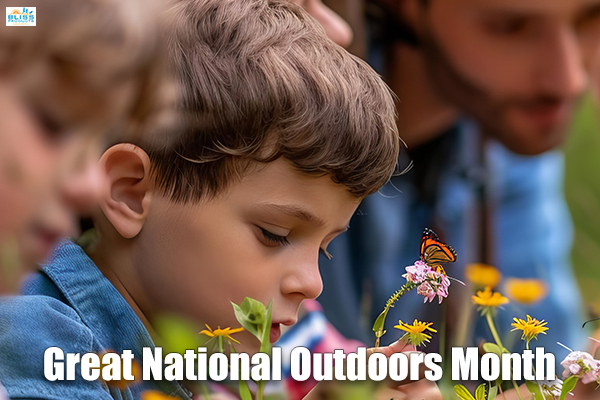
June is Great Outdoors Month, a nationwide celebration of outdoor recreation and the many ways people can connect with parks, trails, waterways, playgrounds, sports facilities, and public spaces.
It is an opportunity to step away from indoor routines, discover somewhere new, and appreciate the outdoor places within our own communities. It also recognizes the park professionals, recreation departments, landscape architects, volunteers, and organizations responsible for creating and maintaining these valuable spaces.
The great outdoors does not have to mean traveling to a distant wilderness area or planning a major expedition. It can begin with a walk along a community trail, an afternoon at a local playground, a family picnic beneath a shelter, an outdoor workout, or a quiet moment on a park bench.
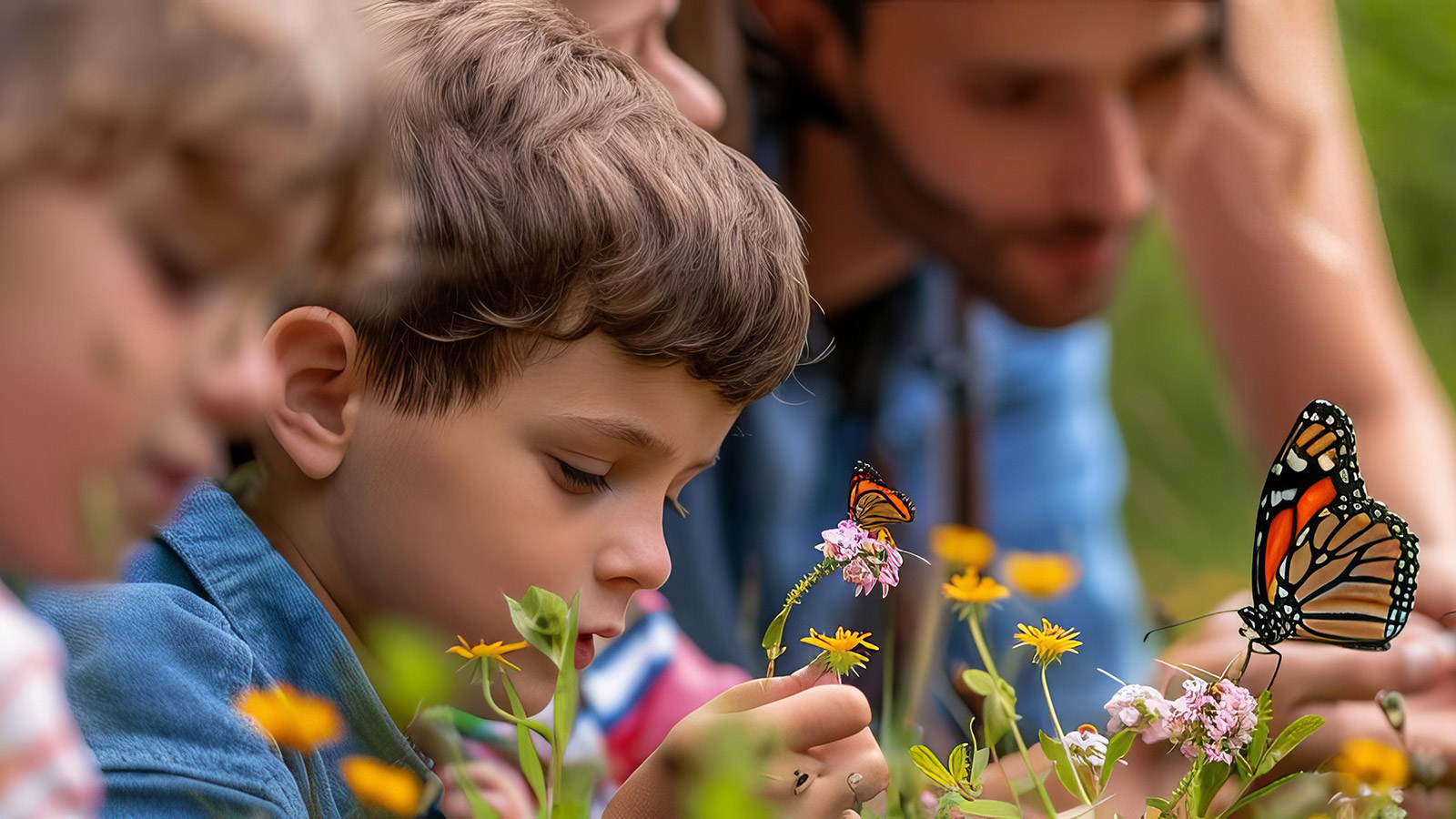
The Great Outdoors Begins Close to Home
When people hear the phrase “great outdoors,” they may picture mountains, forests, lakes, and national parks. These destinations are an important part of America’s outdoor heritage, but many of our most frequent outdoor experiences happen much closer to home.
A local park can provide space to walk, exercise, play, meet friends, attend an event, enjoy a meal, or simply spend time outside.
During Great Outdoors Month, consider:
- Visiting a park you have never explored before
- Walking or cycling a community trail
- Planning a family picnic
- Trying an outdoor fitness course
- Visiting a playground with children or grandchildren
- Exploring a nature or interpretive trail
- Attending an outdoor community event
- Volunteering for a park or trail cleanup
- Taking part in an outdoor sport
- Spending time beside a lake, river, or waterfront
National Trails Day is observed on June 6, 2026, bringing people together to enjoy, maintain, and support trails across the country. Other Great Outdoors Month activities throughout June include fishing, boating, camping, outdoor service projects, and events celebrating public lands and waters.
Outdoor Spaces Bring Communities Together
Parks and recreation areas can support many different types of activity within one shared destination.
Children can develop confidence, coordination, and social skills through active play. Teenagers and adults can exercise on trails, fitness equipment, sports courts, and obstacle courses. Families can gather beneath shelters, while older residents and visitors with limited mobility can enjoy accessible pathways and comfortable places to rest.
The most successful outdoor spaces offer more than one reason to visit.
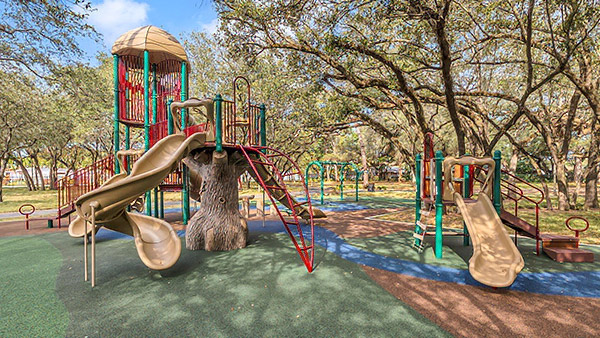
Rolling Oaks Park in Miami Gardens, Florida, is one example of a multigenerational recreation destination. The park combines a nature-themed playground, a Ninja-style obstacle course, outdoor fitness equipment, a putting green, shade, picnic facilities, and other recreation areas.
Different generations can enjoy separate activities while remaining part of the same outdoor experience.
Shelters Help People Spend More Time Outside
Outdoor recreation should not depend entirely on perfect weather. A well-positioned shelter can provide relief from direct sunlight, offer protection during changing weather conditions, and create a recognizable meeting place within a park, trail, school, or sports facility.
Shelters can serve many purposes:
- Family picnics
- Community gatherings
- Outdoor classrooms
- Sports practices and events
- Farmers markets
- Performances
- Trail rest stops
- Camp activities
- Outdoor dining
- Group programs
The Hoover High School Track Shelter in Hoover, Alabama, shows how an open-air timber shelter can support an active sports environment. Positioned beside the track, it provides athletes and coaches with a protected place during training sessions and events.
At Webster in Jackson County, North Carolina, a multi-use shelter accompanies an inclusive playground. The structure can support family picnics, community gatherings, concerts, and other outdoor activities.
These projects demonstrate how shelters can extend the usability of an outdoor space and help communities make better use of it throughout the year.
Visitors planning their own park or recreation development can also explore examples of outdoor shelters and pavilions available through the Bliss Store.

Trails Need More Than a Path
A memorable trail experience involves more than the surface beneath a visitor’s feet.
Trailheads and trail routes may also need:
- Maps and visitor information
- Message boards
- Directional signs
- Benches and rest points
- Bicycle parking
- Drinking fountains
- Waste receptacles
- Picnic tables
- Covered shelters
- Restroom facilities
- Bridges and safe crossings
A park message board can provide trail maps, safety guidance, route information, educational displays, and community notices. Bicycle racks can make it easier for visitors to reach the site by bike, while seating and shelters can provide welcome stopping points along longer routes.
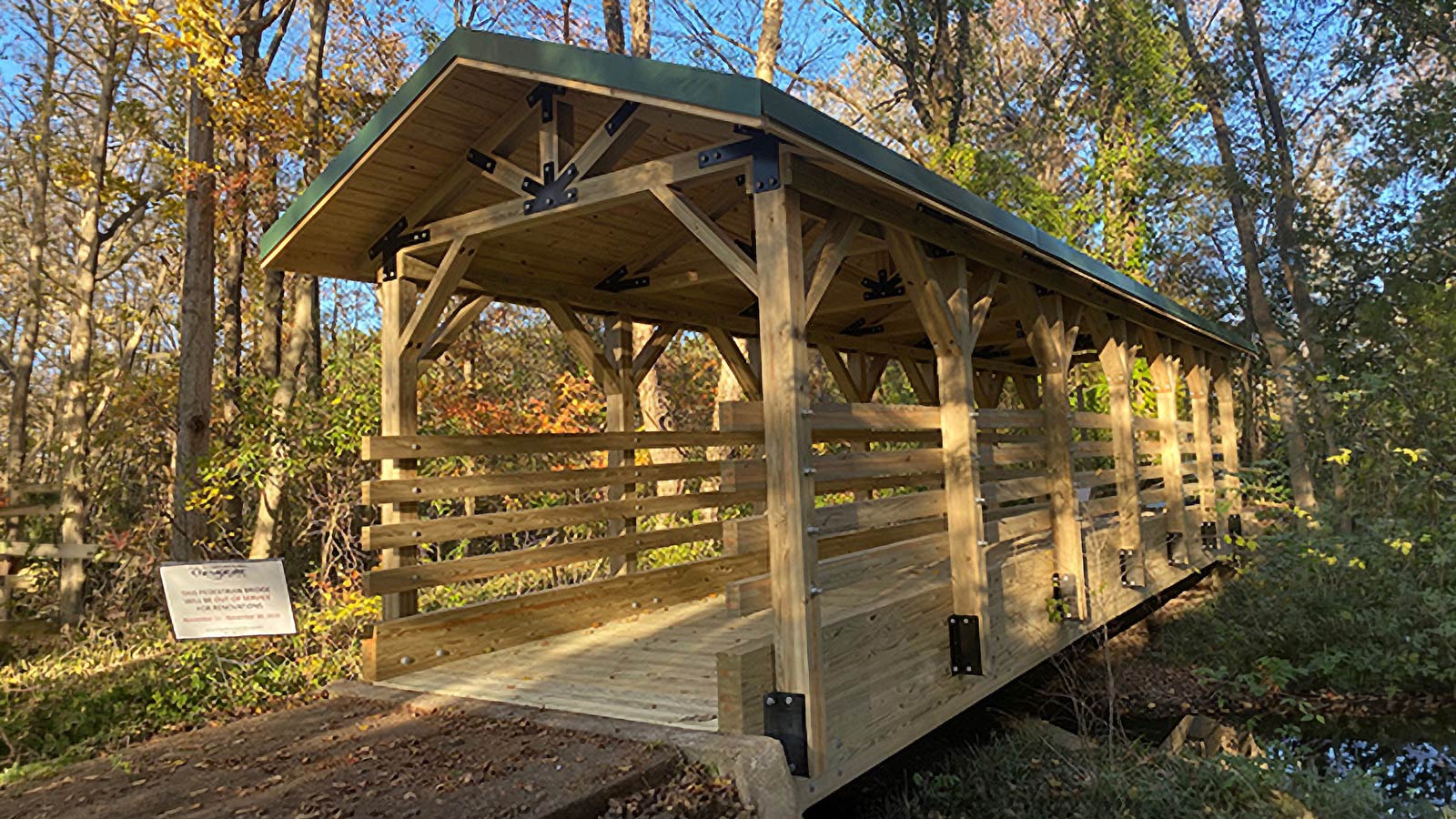
The covered pedestrian bridge at Chesapeake City Hall in Virginia demonstrates how practical infrastructure can also complement its natural surroundings.
The previous bridge surface frequently remained wet beneath the surrounding tree canopy. The replacement covered bridge incorporated a slip-resistant walking surface and protective roof, creating a safer and more functional connection between the parking area and municipal buildings.
Although this project serves a civic complex, the same principles apply to parks and trail systems. Bridges, pathways, and crossings should help people move through an outdoor setting safely while respecting the character of the landscape.
Restrooms and Comfort Facilities Matter
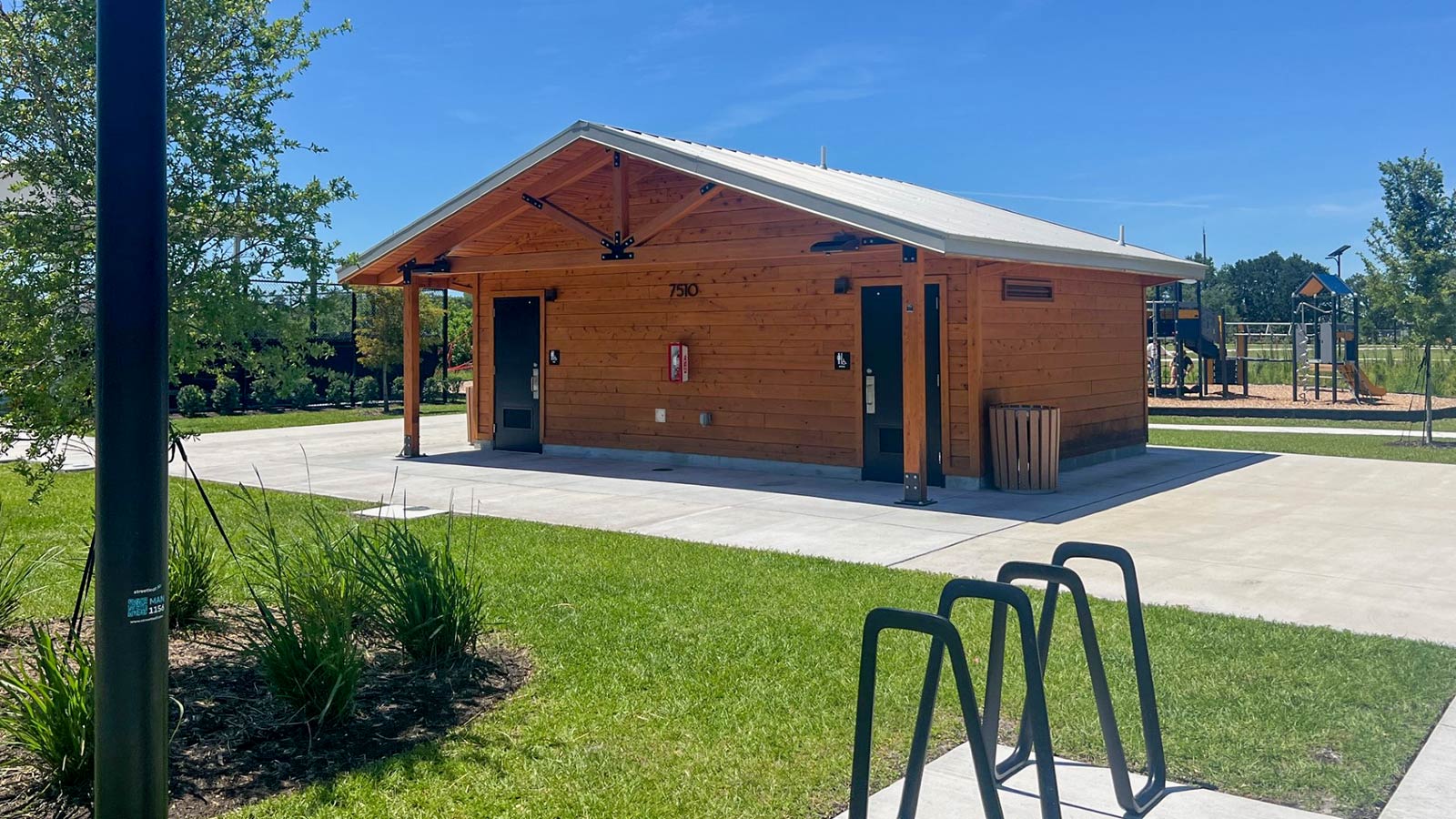
Restrooms may not be the first feature people imagine when thinking about outdoor recreation, but they can determine how long visitors remain and how welcoming a park feels.
Families with young children, older adults, school groups, sports teams, trail users, and visitors with disabilities may all rely on convenient restroom access.
Governor Ron DeSantis Park in Florida is a good example of how practical infrastructure can support a broad recreation program. The park includes playgrounds, dog parks, shaded pickleball courts, fitness trails, accessible parking, lighting, picnic shelters, and permanent restroom facilities.
The Splash Pad, Pavilion and Restroom project in Tarboro, North Carolina, provides another example. Aquatic play, a covered pavilion, and a restroom building work together to create a destination where families can remain for a longer and more comfortable visit.
Restroom and comfort facilities should be considered early in a project so that pathways, utilities, parking, maintenance access, visibility, and accessibility can be coordinated across the site.
Small Amenities Can Transform an Outdoor Visit
Large facilities may attract people to a park, but smaller details often determine how comfortable and convenient their visit will be.
A bench beside a trail gives someone a place to pause. A picnic table beneath a shelter turns a short visit into a family meal. A grill can support a community gathering, while a message board helps visitors understand where to go and what to expect.
Useful supporting amenities can include:
- Park benches
- Picnic tables
- Outdoor park grills
- Fire rings and fire pits
- Bicycle racks
- Message boards
- Trash and recycling receptacles
- Dog Park Amenities
- Accessible seating
- Shade structures
These links show examples of products available through the Bliss Store. The most appropriate selection will depend on the environment, intended activities, visitor numbers, accessibility requirements, maintenance plans, and overall design of the site.
No single product range is right for every project. Bliss Products and Services can help clients compare available options and bring suitable elements together into a coordinated outdoor environment.
Outdoor Recreation Should Welcome Different Ages and Abilities
Great Outdoors Month is for everyone.
Inclusive outdoor planning means considering how different people arrive, move through a space, participate in activities, rest, and access essential facilities.
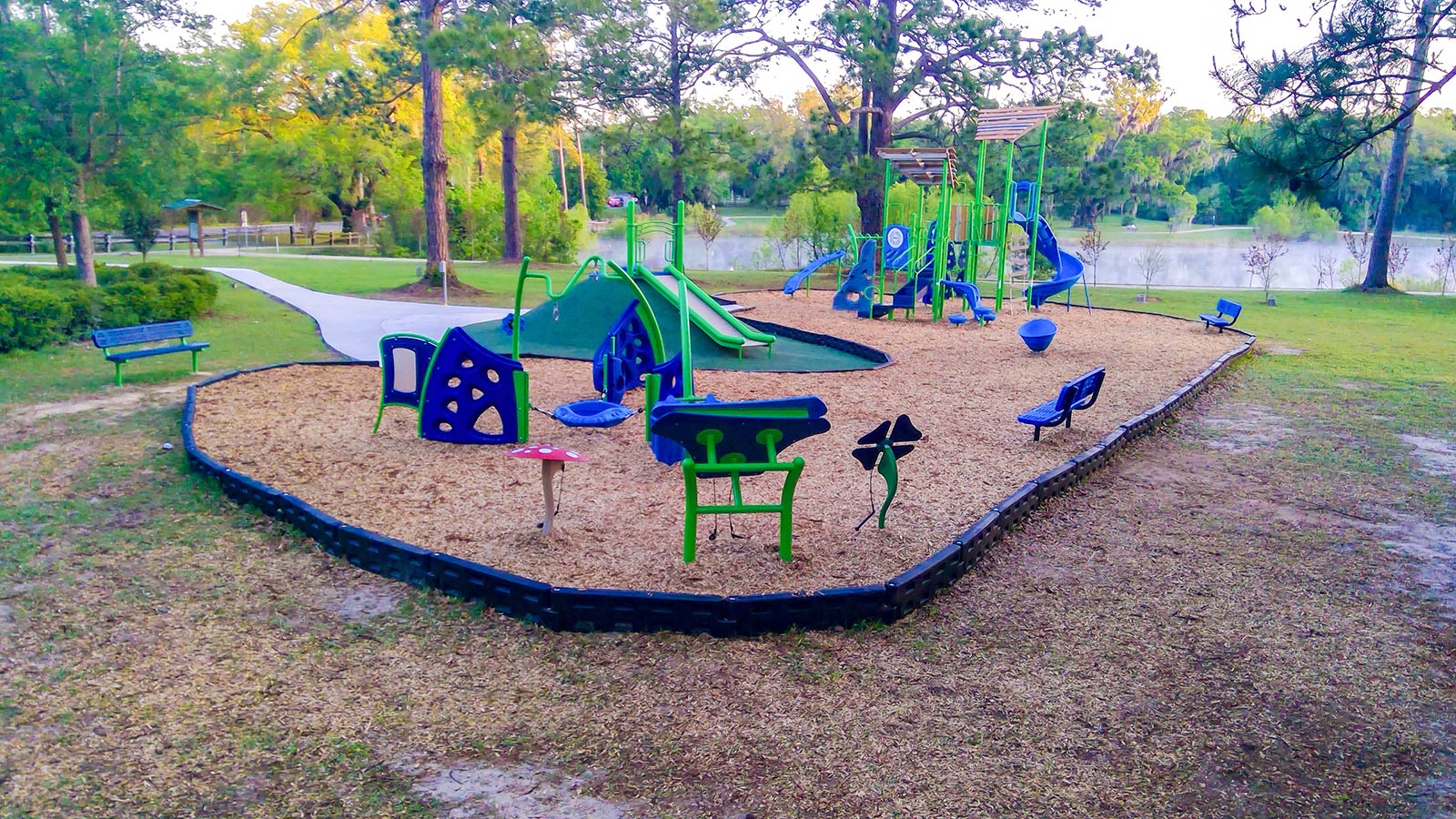
Clear routes can connect parking areas with playgrounds, trails, fitness stations, sports facilities, shelters, and restrooms. Accessible seating and tables can help more visitors participate in social activities. Inclusive playground equipment and suitable surfacing can allow children with different abilities to play alongside friends and family members.
At Riverview Park in Chattanooga, Tennessee, play areas for different age groups incorporate climbing, sliding, swinging, sensory play, accessible surfacing, signage, and supporting furnishings.
Inclusive design does not separate visitors. It creates more opportunities for people to experience the outdoors together.
Plan a Great Outdoors Month Activity
Celebrating Great Outdoors Month does not require a complicated itinerary.
Choose one nearby outdoor destination and spend time experiencing it more deliberately. Walk a trail you normally pass by. Pack lunch and use a local picnic area. Invite friends to meet at a park. Try an outdoor exercise course or attend a community event.
You could also use the visit to notice how the space works.
Are there enough places to rest? Is shade available where people need it? Can visitors find the entrance and understand the site easily? Are playgrounds, restrooms, trails, and gathering areas connected by accessible routes? Does the park provide activities for more than one age group?
Great Outdoors Month is a celebration, but it can also inspire new ideas for improving the outdoor spaces that communities use every day.
Creating Complete Outdoor Destinations
Great outdoor spaces are not created by one product alone.
They depend on how playgrounds, trails, bridges, shelters, restrooms, fitness areas, seating, tables, shade, signs, and supporting amenities work together.
Bliss Products and Services helps municipalities, schools, parks, camps, sports facilities, landscape architects, and community organizations create places where people can explore, play, exercise, gather, and relax.
Our experience includes commercial playgrounds, inclusive recreation, outdoor fitness, splash pads, shelters, pavilions, pedestrian bridges, restroom buildings, sports facilities, safety surfacing, shade structures, and park amenities.
This Great Outdoors Month, take time to enjoy the outdoor places in your community and consider how thoughtful planning can help more people feel welcome outside.
Explore our completed outdoor recreation projects for inspiration, or visit the Bliss Store to discover products that can support your next park, trail, school, sports, or community recreation project.
Recent Comments